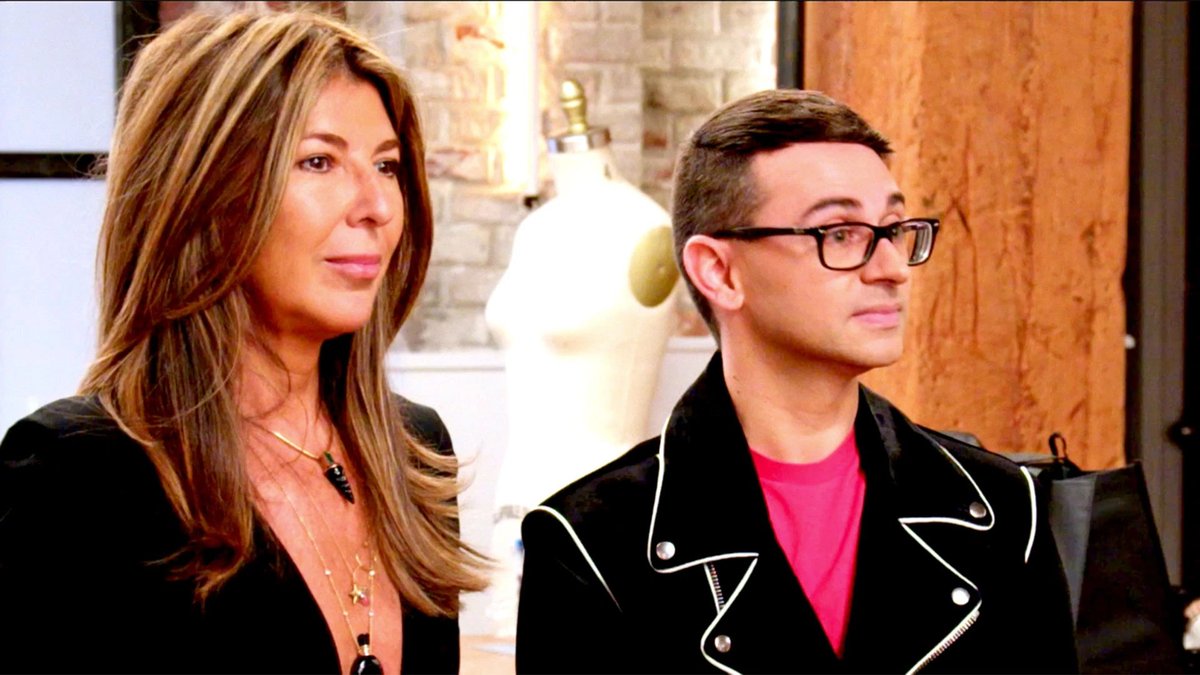
When Project Runway Season 17 premiered on March 14th, 2019, it wasn't just another season; it was a seismic shift. After 16 cycles and a decade-long run on Lifetime, the venerable fashion competition returned home to Bravo with an entirely new look, a refreshed judging panel, and a significant change at its very core. The question on every fan's mind revolved around Project Runway S17 Audience Reception & Season Impact: could the show survive, let alone thrive, without its iconic host and mentor?
This season wasn't merely a cast change; it was a testament to the show's adaptability, a bold experiment in reinvention that would reshape its legacy. Viewers tuned in with a mixture of nostalgia, skepticism, and eager anticipation to see if the beloved format could resonate with a new generation while honoring its storied past.
At a Glance: Project Runway S17's Defining Moments
- A Grand Return to Bravo: After a run on Lifetime, the show came back to its original network, signaling a potential refresh in tone and production.
- The End of an Era, The Start of Another: Iconic duo Heidi Klum and Tim Gunn departed, replaced by supermodel Karlie Kloss as host and former Project Runway champion Christian Siriano as mentor.
- A Fresh Judging Perspective: Long-standing judge Nina Garcia was joined by acclaimed designer Brandon Maxwell and journalist Elaine Welteroth, creating a dynamic new panel.
- Modernized Challenges: The season introduced a blend of classic Project Runway elements with contemporary fashion industry demands, pushing designers into new creative territories.
- Siriano's Stardom: Christian Siriano's empathetic, knowledgeable, and genuinely helpful mentorship was an immediate hit, quickly becoming the season's breakout star and a critical factor in positive audience reception.
- A Reboot That Worked: Despite initial apprehension, Season 17 largely succeeded in reinvigorating the franchise, proving its enduring format could evolve.
A Bold New Chapter: Why Project Runway Needed a Refresh
For over a decade, Project Runway had been a cultural touchstone, a reality TV phenomenon that made fashion accessible and aspirational. However, after its move to Lifetime in 2009 and 11 seasons there, some viewers felt the show had settled into a comfortable, perhaps too predictable, rhythm. The departure of original host Heidi Klum and, even more critically, the universally adored mentor Tim Gunn, for a new Amazon Prime Video venture, left a gaping void. This void, however, presented an unprecedented opportunity.
The return to Bravo, the network where it all began, wasn't just a change of address; it was a statement. It promised a renewed focus, perhaps a more premium aesthetic, and certainly an attempt to reclaim the show's original magic. The fashion industry itself was undergoing rapid evolution, embracing sustainability, diversity, and the blurring lines between high fashion and streetwear. For Project Runway to remain relevant, it too needed to evolve, and Season 17 was designed to be that pivotal moment. It was less a reboot and more a reinterpretation, aimed at proving the show's core appeal lay not just in its personalities, but in its powerful format and its enduring celebration of creativity.
The New Guard: Unpacking the S17 Cast Changes
The biggest question mark hanging over Season 17 was undoubtedly the wholesale change of its most recognizable faces. How would the audience react to new personalities taking on such iconic roles?
Karlie Kloss: Host with a Supermodel Pedigree
Stepping into Heidi Klum's shoes was supermodel and entrepreneur Karlie Kloss. Kloss brought a different energy to the runway. Known for her extensive career walking for top designers, her entrepreneurial ventures, and her philanthropic work, she embodied a modern, sophisticated image.
Her hosting style was poised and articulate, often offering thoughtful insights informed by her vast experience in the fashion world. While some viewers initially missed Klum's more boisterous personality and signature catchphrases, Kloss's approach was generally perceived as professional and genuine. She aimed to connect with the designers on a more personal level, offering encouragement and a quiet strength, rather than the more performative role of a traditional reality TV host. The audience reception to Kloss was generally positive, acknowledging her expertise and grace, even if some felt she brought a slightly less playful dynamic to the show.
Christian Siriano: From Champion to Beloved Mentor
If any change defined the success of Project Runway S17 Audience Reception & Season Impact, it was the introduction of Christian Siriano as the new mentor. Replacing the inimitable Tim Gunn was arguably the toughest challenge the show faced. Gunn was more than a mentor; he was the designers' therapist, confidant, and champion. Yet, Siriano, a Season 4 winner and now a hugely successful CFDA fashion designer, rose to the occasion with an empathy and hands-on approach that quickly won over the fandom.
Siriano wasn't just offering advice; he was in the trenches with the designers, often demonstrating techniques, offering practical solutions, and sharing his current industry perspective. His visits to the workroom were eagerly anticipated by viewers, not just for his fashion acumen, but for his genuine kindness and fierce loyalty to the designers. He understood the pressure, the time constraints, and the creative blocks because he had lived through them. This insider perspective, combined with his warmth and directness, made him an immediate and overwhelming fan favorite. Viewers adored his interactions, praised his constructive feedback, and many declared him the undisputed highlight of the season. His role was not just to fill Gunn's shoes, but to redefine mentorship, making it more current, relatable, and deeply impactful. His success was critical to the show's renewed viability.
The Revamped Judging Panel: Fresh Eyes and Fashion Authority
Alongside returning stalwart Nina Garcia, the judging panel welcomed two new faces: designer Brandon Maxwell and journalist Elaine Welteroth. This trio brought a fresh, multifaceted perspective to the critiques.
- Nina Garcia: As the longest-serving judge and Editor-in-Chief of ELLE, Garcia continued to provide her sharp, authoritative, and often blunt assessments. Her presence offered a vital link to the show's past and an unwavering standard of high fashion.
- Brandon Maxwell: A celebrated designer himself, Maxwell brought a designer's eye, offering critiques that were often technical, considerate, and deeply empathetic. He frequently articulated why something worked or didn't work from a design standpoint, earning respect for his constructive feedback and genuine appreciation for the designers' efforts. He quickly became a favorite for his kind yet discerning approach.
- Elaine Welteroth: The former Editor-in-Chief of Teen Vogue brought a powerful voice for modernity, inclusivity, and cultural relevance. Her perspective often pushed designers to think beyond traditional aesthetics, encouraging them to consider the broader social and cultural context of their creations. She challenged them to be innovative and to speak through their designs, resonating particularly with younger viewers and those looking for a more progressive take on fashion.
The new panel dynamic was largely seen as a breath of fresh air. While each judge held a clear point of view, their collective discussions were nuanced and engaging. They balanced critical feedback with encouragement, providing a richer tapestry of commentary than in previous seasons. This fresh array of voices contributed significantly to the positive audience reception of the revamped show.
Challenges That Defined the Season: Creativity Under Pressure
Season 17's challenges were a strategic blend of Project Runway classics and contemporary themes, designed to test the designers' versatility, innovation, and ability to adapt to current industry trends. The episode list provided offers a fantastic glimpse into the creative gauntlet they faced:
- "First Impressions": A strong start, mirroring the industry's need for instant impact, with inspiration drawn directly from the judges' "Fashion First" photographs. This immediately set a tone of personal connection and high stakes.
- "The Future Is Here": Pushed boundaries with futuristic mini-collections and special effects body modifications, demanding innovation and theatricality – a nod to how fashion is often presented today.
- "All the Rage": A classic print challenge, but with the mandate for "bold, editorial head-to-toe looks," emphasizing styling and cohesive vision.
- "Survive In Style": The much-loved unconventional materials challenge returned, this time with a "survival chic" twist from a camping trip, always a fan favorite for its ingenuity.
- "High Fashion To High Street": Inspired by legendary Dapper Dan, this was a crucial nod to luxury streetwear and its undeniable influence, showcasing the show's commitment to relevance.
- "Power Play": Creating looks for female video game characters combined functional design with imaginative costuming, tapping into modern pop culture.
- "Elegance Is the New Black": A return to classic elegance, but with a unique inspiration – the contents of a handbag – encouraging abstract interpretation.
- "Blame It On Rio": Team challenge for vacation mini-collections (daywear, evening wear, beachwear), testing commercial appeal and cohesion.
- "The Stitch Is Back": An over-the-top performance piece inspired by Elton John and Rocketman, proving the show wasn't afraid of theatricality and bold statements.
- "What Do You Care About?": A powerful challenge focused on social causes, requiring designers to weave personal beliefs into high fashion, mirroring the increasing demand for brands to stand for something.
- "New York City Of Dreams": An incredibly heartwarming and impactful challenge, creating "dream dresses" for real NYC essential workers. This brought a tangible, human element to the show, showcasing fashion's ability to uplift.
- "The Art Of Fashion": Designers created "big, bold" looks for an experiential runway show, reflecting modern fashion presentations that are often immersive.
These challenges collectively demonstrated a thoughtful approach to updating the Project Runway formula. They retained the core elements that fans loved—unconventional materials, time pressure, and the quest for innovation—while injecting fresh themes relevant to the 2019 fashion landscape. This balancing act was critical for positive Project Runway S17 Audience Reception & Season Impact, showing that the new production team understood both tradition and progression.
The Designer Cohort: Talent, Tension, and Triumphs
A Project Runway season is only as good as its designers, and Season 17 delivered a diverse and talented cast. From artists pushing conceptual boundaries to pragmatic ready-to-wear specialists, the cohort offered a range of styles and personalities. While specific ground truth about individual designer reception isn't available, the quality of work displayed throughout the season, as suggested by the challenging briefs, was generally high.
The presence of Christian Siriano as mentor seemed to foster a more collaborative and supportive environment among the designers, even amidst the fierce competition. His practical advice often helped them navigate tricky construction issues or creative blocks, potentially leading to a higher overall standard of finished garments. This focus on constructive growth, rather than purely manufactured drama, resonated well with an audience often weary of reality TV clichés. The designers felt genuinely supported in their creative journeys, making their triumphs (and struggles) more compelling for viewers.
Decoding Project Runway S17 Audience Reception
The reception to Project Runway Season 17 was a complex tapestry of nostalgia, relief, and genuine excitement.
The Initial Shock & Relief
The immediate reaction to the news of Heidi and Tim's departure was, understandably, shock and sadness among the fanbase. For many, they were Project Runway. However, as details of the new cast emerged, particularly Christian Siriano's return, a wave of cautious optimism began to build. The move back to Bravo also instilled a sense of hope that the show would recapture some of its original prestige and sharpness, moving away from what some perceived as a softening during its Lifetime tenure. When the season premiered, there was a collective sigh of relief that the show hadn't just survived but felt re-energized.
Embracing Christian Siriano
Christian Siriano was the undeniable MVP of Season 17. His mentorship was widely lauded, praised for its sincerity, expertise, and ability to genuinely help designers without ever overshadowing them. Social media was abuzz with appreciation for his calm demeanor, insightful feedback, and willingness to step in with a needle and thread when needed. Many viewers expressed that he not only filled Tim Gunn's shoes but carved out his own, equally beloved, legacy. His presence single-handedly elevated the show and secured much of its positive audience reception.
Mixed Feelings on the Host/Judges
While Kloss, Maxwell, and Welteroth were generally well-received, individual opinions varied more than for Siriano. Karlie Kloss was appreciated for her professionalism and intelligence, though some viewers missed the effervescence of Heidi Klum. Brandon Maxwell earned high marks for his thoughtful, technical critiques and his warm personality. Elaine Welteroth was praised for bringing a much-needed contemporary perspective on fashion, diversity, and social impact, broadening the scope of the judging criteria. The overall consensus was that the new panel offered a refreshing and credible set of voices, moving the show firmly into the modern fashion discourse.
A "Refreshed" Vibe
Beyond the individual cast members, the season itself felt revitalized. The production quality, pacing, and overall aesthetic often invoked comparisons to the show's earlier Bravo days. The challenges felt more thoughtfully curated, balancing classic elements with innovative, timely concepts. There was a palpable sense of renewed energy, and many long-time fans expressed that Project Runway felt "back to its best" or "relevant again." This "refreshed" vibe was a major win for Project Runway S17 Audience Reception & Season Impact.
Critiques and Concerns
While largely positive, some criticisms surfaced. A common critique for any Project Runway season revolves around judging consistency or perceived favoritism, and S17 was no exception. Some viewers occasionally questioned specific eliminations or challenge wins. There were also debates about the fairness of certain team challenges, which are often a point of contention in the show's history. However, these were generally minor grumblings within an overwhelmingly positive reception for the overall direction and execution of the season.
The Broader Season Impact: Setting a New Standard
The impact of Project Runway Season 17 stretched far beyond its initial run. It was a crucial turning point that proved the longevity and adaptability of the franchise.
Re-energizing the Franchise
Perhaps the most significant impact was S17's ability to demonstrate that Project Runway could not only survive but thrive without its original, iconic leads. It successfully navigated the perilous waters of a major reboot, reassuring both networks and fans that the core concept—the celebration of raw design talent under pressure—was strong enough to transcend any single personality. This paved the way for subsequent successful seasons, solidifying the show's future. Explore Project Runway Season 17 to see how the season unfolded.
Christian Siriano's Legacy
Season 17 cemented Christian Siriano's indispensable role in the Project Runway universe. He became, for many, the new heart and soul of the show, bringing not just fashion expertise but a deeply human element to the competition. His immediate and widespread popularity meant that his continued presence would be a non-negotiable for future seasons, proving that a former champion could transition seamlessly into a mentorship role, and perhaps even elevate it.
Evolving Fashion Dialogue
The show's renewed focus on modern fashion trends, inclusivity, and challenges tied to social causes (like the "What Do You Care About?" episode) reflected a broader shift in the fashion industry itself. Season 17 helped Project Runway remain culturally relevant, engaging with contemporary conversations about what fashion represents and how it intersects with the world. This made the show feel less like an insular competition and more like a vibrant reflection of the current design landscape.
Future Seasons
The success of Season 17 set a strong precedent for the seasons that followed. It established a new blueprint for the show's cast, its challenge structure, and its overall tone. The positive audience reception demonstrated that viewers were ready for evolution, provided it was handled with care, authenticity, and a deep respect for the show's creative core. It proved that sometimes, letting go of the familiar can open the door to something even more compelling.
Beyond the Runway: Enduring Lessons from Season 17
Project Runway Season 17 wasn't just a season of television; it was a masterclass in revitalizing a beloved brand. It taught us that even the most iconic formats can, and sometimes must, change. The courage to introduce a completely new cast, particularly in such pivotal roles, was a gamble that paid off handsomely.
The season underscored the critical importance of a mentor who isn't just an advisor but a true champion for the talent. Christian Siriano's success demonstrated that empathy, practical knowledge, and genuine connection can resonate even more deeply than traditional authority. It also showed that a diverse and knowledgeable judging panel, capable of offering multifaceted critiques, enriches the viewer experience and challenges designers to grow in more holistic ways.
Ultimately, Season 17 proved that the heart of Project Runway beats strongest when it embraces creativity, supports emerging talent, and fearlessly evolves with the ever-changing world of fashion. It was a powerful reminder that authenticity, skill, and genuine human connection will always, always make it work.