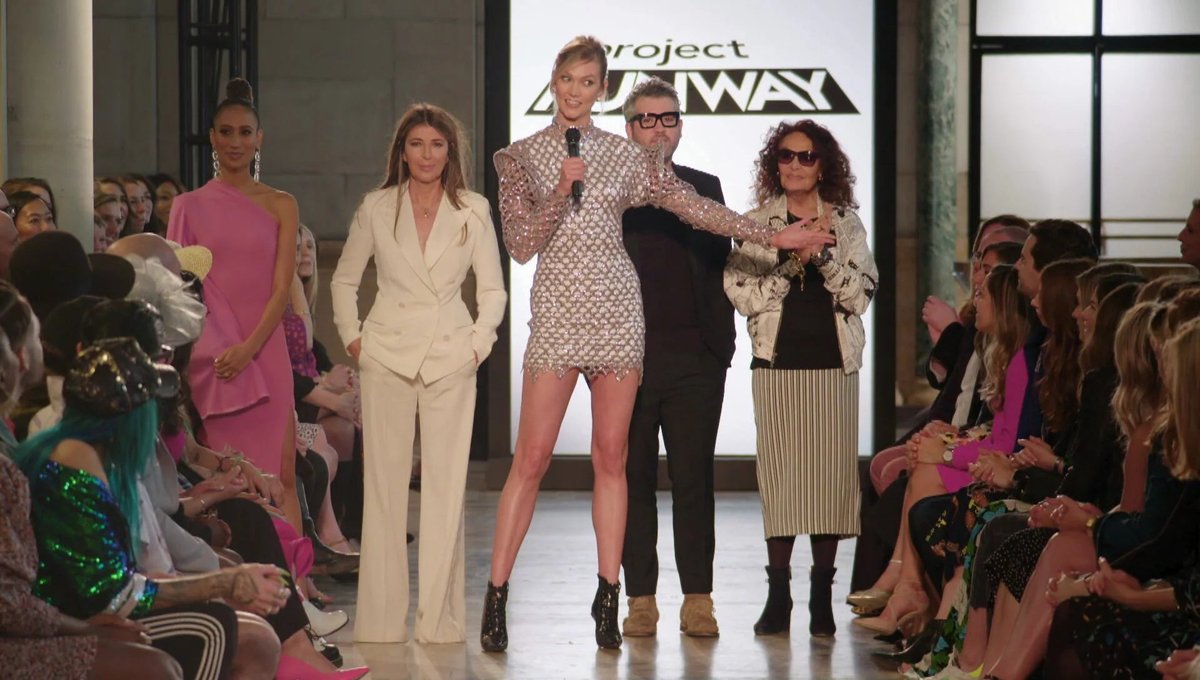
When Project Runway first burst onto screens, it redefined reality TV, marrying high fashion with high-stakes drama. But by Season 17, the industry—and the show itself—was ripe for a reinvention. The move back to Bravo wasn't just a network change; it heralded a profound shift, especially evident in the critical areas of mentorship and production. Diving deep into Project Runway S17 Behind the Seams: Mentorship & Production reveals a deliberate and strategic evolution that aimed to make the iconic fashion competition more relevant, inclusive, and genuinely transformative for its designers.
This wasn't merely a fresh coat of paint; it was a fundamental re-engineering of the show's core mechanics, designed to reflect a rapidly changing global fashion landscape. From the addition of a former champion as a hands-on mentor to a groundbreaking commitment to diversity, Season 17 set a new benchmark for what a fashion competition could—and should—be.
At a Glance: Project Runway S17's Game-Changing Evolution
- Homecoming to Bravo: The season marked a significant return to its original network, signaling a renewed vision.
- Christian Siriano as Mentor: A pivotal change, bringing a former winner's real-world, current industry experience directly to the designers.
- New Host & Judges: Supermodel Karlie Kloss took the helm, joined by acclaimed designer Brandon Maxwell and journalist Elaine Welteroth, alongside returning veteran Nina Garcia.
- Unprecedented Diversity: The show made history by featuring a wide range of models, including plus-size and transgender individuals, reflecting true industry inclusivity.
- Evolved Aesthetic: A fresh design philosophy permeated the challenges, pushing designers toward modern, global perspectives.
- High-Stakes, Global Talent: Sixteen designers from around the world faced challenges testing not just creativity but adaptability under immense pressure.
The Runway Reimagined: A New Era for Project Runway
Season 17 wasn't just another season; it was framed as a "bold new chapter," a conscious effort to revitalize a beloved franchise. The return to Bravo felt less like a retreat and more like a strategic re-launch, promising viewers and contestants alike a fresh, invigorated experience. This commitment to a "new era" meant more than just swapping out faces; it meant fundamentally rethinking the show's purpose and its reflection of the actual fashion industry.
The core promise was a celebration of "global perspectives, fresh talent, and the transformative power of fashion." This wasn't just marketing speak; it manifested in the casting of designers from diverse backgrounds and the intentional broadening of the competition's scope. The production team understood that to stay relevant, Project Runway needed to look forward, not back, to truly champion the next generation of fashion innovators.
Meet the New Power Players: Hosts, Mentors, and Judges
A television show, especially a competition, is only as strong as its central figures. Season 17 saw a complete overhaul of the leadership team, each selection carefully made to usher in this new era.
Karlie Kloss: The Modern Host
Stepping into the iconic shoes previously worn by Heidi Klum, supermodel and entrepreneur Karlie Kloss brought a different kind of gravitas. Her experience isn't just on the runway; it extends into tech, business, and philanthropy. As host, Kloss offered a contemporary, aspirational figure, deeply connected to the fashion world but also representing its evolving, multi-faceted nature. She wasn't just reading teleprompters; her presence embodied the show's commitment to modern relevance, bridging the gap between high fashion and entrepreneurial spirit.
Christian Siriano: The Champion-Turned-Mentor
This was arguably the most significant production shift of Season 17, a true masterstroke that redefined the mentorship model for the series. For the first time, a former Project Runway champion, Christian Siriano, stepped into the role of full-time mentor. This move was revolutionary. Siriano wasn't just a celebrity presence; he was a living testament to the show's potential, having built a wildly successful, inclusive fashion empire since winning Season 4.
His mentorship went far beyond a quick critique. Siriano was in the workroom constantly, offering practical, hands-on advice. He understood the constraints—the time crunch, the budget limits, the pressure of the camera—because he had lived through them. He could troubleshoot a difficult fabric choice, redirect a struggling concept, or offer a dose of tough love precisely when needed. This intimacy and empathy, combined with his current industry standing, provided an invaluable resource to the designers. He became a bridge between the intense competition and the brutal realities of running a fashion business, preparing them not just to win, but to thrive beyond the show.
The Refreshed Judging Panel: A Symphony of Expertise
Complementing Kloss and Siriano was a thoughtfully curated judging panel designed to provide diverse perspectives and deep industry knowledge.
- Nina Garcia: Returning as the steadfast voice of ELLE Editor-in-Chief, Nina Garcia provided continuity and her signature sharp, authoritative critiques. Her decades of experience in fashion journalism and her unwavering eye for polish and commercial viability remained a crucial anchor.
- Brandon Maxwell: A celebrated CFDA fashion designer himself, Maxwell brought the direct perspective of a successful contemporary designer. His insights into construction, vision, and the practicalities of creating a collection were invaluable, often offering nuanced feedback that only a fellow creative could provide.
- Elaine Welteroth: As a journalist and former Teen Vogue Editor-in-Chief, Welteroth represented the cultural zeitgeist. Her focus often honed in on narrative, social relevance, and the broader impact of fashion beyond the garment itself. Her presence underscored the show's commitment to fashion as a cultural force, not just an aesthetic one.
This diverse panel ensured that designers were judged not just on technical skill, but on commercial appeal, innovation, and social consciousness—a holistic view reflecting the demands of the modern fashion industry.
Behind the Seams: Production & Aesthetic Evolution
Beyond the visible faces, Season 17's production underwent significant changes that influenced every aspect of the competition, from challenge design to the aesthetic on the runway.
Crafting the Challenges: Testing Creativity Under Pressure
The challenges in Season 17 were deliberately designed to be high-stakes, demanding not just creativity but extreme adaptability. The production team aimed to simulate the real-world pressures designers face—tight deadlines, unexpected constraints, and the need to innovate constantly. From unconventional materials to complex avant-garde requirements, each challenge was a carefully constructed crucible.
The "new design aesthetic" mentioned in the ground truth permeated these challenges. Designers weren't just making pretty clothes; they were pushed to create looks that felt current, forward-thinking, and globally aware. This meant a greater emphasis on sustainability, fluidity, and an understanding of diverse body types from the very start of the design process.
The Unseen Machine: Logistics of a Global Competition
Bringing together sixteen designers from "across the globe" is a logistical feat in itself. The production team was responsible for far more than just filming. This included:
- Sourcing Materials: Ensuring a diverse array of fabrics, notions, and tools were available for each challenge, often under tight deadlines.
- Workroom Management: Maintaining a functional, safe, and productive environment for intense creative work.
- Model Casting & Coordination: A particularly complex task in S17, given the unprecedented commitment to diversity. This meant sourcing and managing models of various sizes, genders, and backgrounds, ensuring appropriate fittings and respectful handling throughout the often grueling filming schedule.
- Challenge Setup & Breakdown: Transforming locations for various challenges, from elaborate runway sets to on-location shoots.
- Time Management: Keeping designers and crew on a meticulously planned schedule, where every minute counts.
This intricate dance behind the cameras is what allowed the creative process to unfold, even under the intense pressure of competition.
Mentorship in Action: Christian Siriano's Impact
Christian Siriano's role wasn't just a title; it was a dynamic, active presence that fundamentally altered the designers' experience. His contribution highlights the true "mentorship" aspect of Project Runway S17 Behind the Seams.
Beyond the Critique: Hands-on Guidance
Unlike previous seasons where mentors offered more generalized advice, Siriano was often seen literally "in the trenches" with the designers. He would:
- Offer Technical Solutions: "That seam won't lay right with that fabric; try a different finish."
- Challenge Concepts: "Is this really avant-garde, or is it just costume?"
- Provide Encouragement: Sometimes, a designer simply needed to hear, "You've got this. Push through." He understood the emotional toll of the competition and offered psychological support, a crucial aspect often overlooked in high-pressure environments.
- Reignite Vision: When a designer felt lost or overwhelmed, Siriano had the ability to help them reconnect with their initial vision or pivot to a stronger one, often by drawing on his own past challenges and successes.
This practical, empathetic approach made his feedback resonate deeply, helping designers grow rapidly even within the span of a single challenge.
Bridging the Gap: From Competition to Industry Readiness
Siriano's unique position—a winner who not only survived but thrived in the fashion world—allowed him to prepare designers for life beyond the runway. He wasn't just teaching them to sew; he was teaching them to think like a brand. He understood the importance of a clear point of view, the necessity of understanding your market, and the sheer grit required to build a lasting career. His mentorship was, in essence, a masterclass in entrepreneurship as much as it was in design, ensuring that designers were not just creating for TV but for a future in fashion.
Diversity Takes the Stage: A Pivotal Production Choice
One of the most lauded and historically significant changes in Season 17 was its unwavering commitment to diversity and inclusivity. This wasn't a superficial choice; it was a fundamental re-evaluation of how fashion should be represented.
More Than a Trend: A Commitment to Inclusivity
For the first time in the show's history, Project Runway featured "a wide range of models—including plus-size and transgender models." This was groundbreaking for mainstream television and sent a powerful message: fashion is for everyone, and talent should not be limited by arbitrary physical standards.
This decision profoundly impacted the designers' creative process. They were pushed to design for different body types and understand the nuances of fit, proportion, and aesthetic across a broader spectrum of human form. It challenged preconceived notions and fostered a more adaptable and thoughtful approach to design, moving beyond the traditional sample-size model that had long dominated the industry. For the audience, it was a refreshing and much-needed reflection of the real world, where beauty comes in countless forms.
Logistical Considerations for Diverse Casting
Implementing this level of diversity wasn't without its logistical complexities for the production team. It required:
- Expanded Wardrobe and Fitting Rooms: Accommodating a wider range of sizes and needs.
- Sensitive Communication: Ensuring all models felt respected and comfortable, especially those from marginalized communities.
- Educating Designers: Providing guidance on designing for different body types, challenging them to expand their skill sets.
- Hair and Makeup Versatility: Requiring a team capable of working with diverse skin tones, hair textures, and gender expressions.
This commitment to inclusivity, though challenging, ultimately enriched the show, making it a more accurate and inspiring mirror of the evolving fashion industry. Explore Project Runway Season 17 and witness how these production choices shaped the competition.
Navigating the Pressure Cooker: Designer Challenges & Support Systems
The competitive nature of Project Runway naturally creates an intense environment. Designers are under immense pressure to perform, innovate, and deliver consistently, all while being filmed. This 'pressure cooker' scenario is a deliberate part of the show's appeal, but production also has a role in managing it.
While the primary goal is competition, behind-the-scenes production teams are often tasked with ensuring contestant well-being, within the parameters of the show. This might involve access to basic amenities, medical support, and clear communication channels to help manage the stress. The addition of a truly empathetic mentor like Christian Siriano also served as a critical psychological support system, a trusted ear and voice of reason amidst the chaos. He understood that creative blocks often stemmed from emotional exhaustion, and his ability to re-center designers was invaluable.
Ethical considerations in reality TV production are always at play. Balancing the need for dramatic television with the responsibility for contestant welfare is a delicate act. In Season 17, the emphasis on genuine mentorship and a supportive, inclusive environment subtly shifted this balance, suggesting a move towards a more nurturing—though still intensely competitive—framework.
The Verdict: What S17 Taught Us About Modern Fashion & Mentorship
Project Runway S17 Behind the Seams: Mentorship & Production wasn't just a season of television; it was a case study in how to successfully reboot a beloved franchise by aligning it with contemporary values and industry shifts.
The show became a microcosm of the modern fashion industry itself:
- The Power of Mentorship: Christian Siriano demonstrated that true mentorship isn't just about critique but about active guidance, practical advice, and emotional support, transforming raw talent into industry-ready professionals. This model redefined what a "mentor" on a competition show could be, moving from a passive observer to an active participant in the designers' growth.
- The Necessity of Evolution: The new host, judges, and production aesthetic underscored that fashion, and shows about fashion, must constantly evolve. Stagnation is fatal in an industry driven by change.
- Inclusivity as a Core Value: The commitment to diverse models proved that representation isn't just a buzzword; it's a fundamental aspect of modern fashion that enriches design, resonates with audiences, and ultimately makes the industry more relevant and impactful.
- Production as Narrative: Every production decision, from casting to challenge design, contributed to a larger narrative of transformation, hope, and the future of fashion.
Season 17 reinforced the enduring appeal of Project Runway while simultaneously proving that the show could adapt, grow, and lead the conversation in fashion. It showed that good production and genuine mentorship aren't just behind-the-scenes elements; they are integral to the very heart of the storytelling.
Your Next Step into the World of Project Runway
If you're eager to see these insights in action, delving into Project Runway S17 Behind the Seams: Mentorship & Production firsthand is essential. Watch how Christian Siriano navigates the workroom, how the judges dissect diverse designs, and how Karlie Kloss guides the narrative. Pay close attention to the models and how their unique presence shapes the designers' output.
Consider this: what lessons can aspiring designers take from Siriano's hands-on approach? How did the diverse casting influence the final collections? And how does the "new design aesthetic" truly manifest on the runway? Season 17 offers a rich tapestry of learning and inspiration. It’s a compelling watch, whether you’re a fashion enthusiast, an aspiring designer, or simply someone who appreciates the art of television production done right.
To embark on this journey and see how these pivotal changes unfolded, you can Explore Project Runway Season 17 and immerse yourself in this transformative chapter of fashion history.