Stepping onto the runway, Project Runway Season 17 delivered a revitalized energy, breathing new life into a beloved competition with a fresh panel and a host of innovative challenges. From its very first episode, the season set a high bar, making Project Runway S17 Fashion Critiques & Runway Designs not just a talking point, but the very fabric of its captivating journey. This wasn't merely about who could sew the fastest; it was a masterclass in creative problem-solving, aesthetic vision, and resilience under pressure, all dissected with the discerning eyes of fashion’s most influential voices.
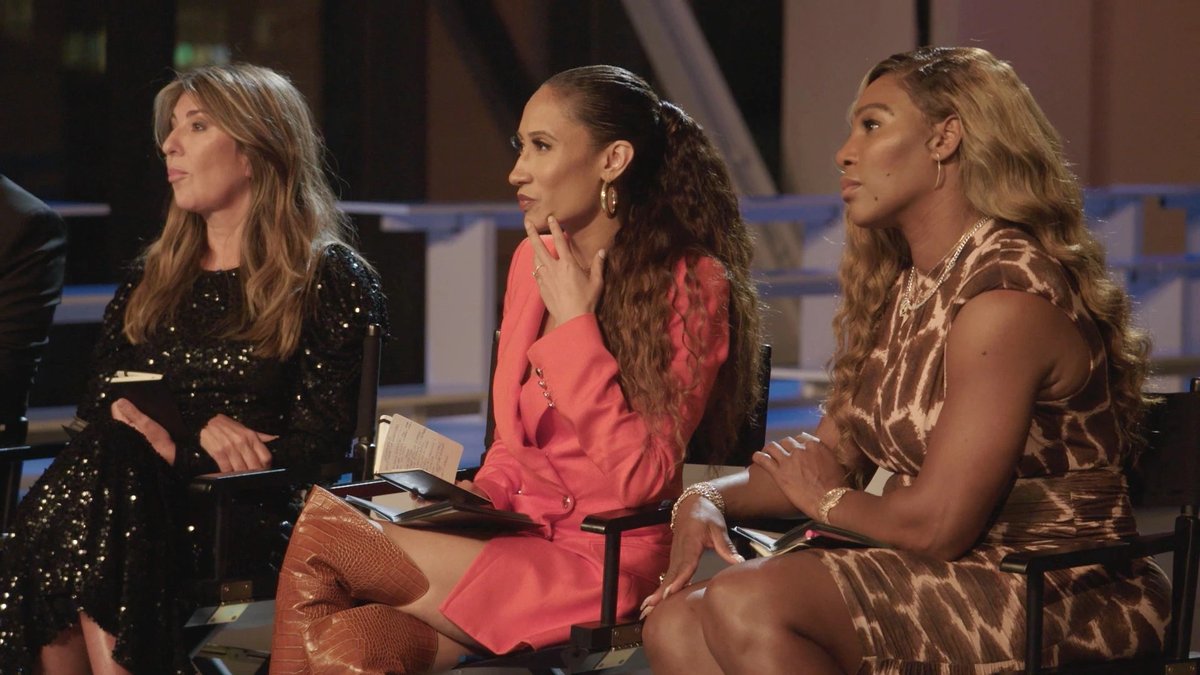
You might remember the buzz around the new faces: supermodel Karlie Kloss taking the host mantle, and fan-favorite Christian Siriano, a Project Runway champion himself, stepping in as the invaluable mentor. Alongside them, an unparalleled judging panel featuring ELLE Editor-in-Chief Nina Garcia, designer Brandon Maxwell, and journalist Elaine Welteroth brought a diverse, yet equally sharp, perspective to every garment. Their collective expertise didn't just critique; it taught, guided, and sometimes, painfully, exposed the vulnerabilities in even the most promising designs.
At a Glance: Project Runway S17's Design Journey
- Fresh Perspective: New host (Karlie Kloss), mentor (Christian Siriano), and judging panel (Nina Garcia, Brandon Maxwell, Elaine Welteroth) brought a renewed energy and high-caliber critiques.
- Diverse Challenges: Designers tackled everything from conceptual futurewear and luxury streetwear to unconventional materials and elaborate performance pieces.
- Real-World Application: Challenges often mirrored industry demands, including client briefs, flash sales, and designing for specific audiences or causes.
- Critique Focus: Judges emphasized originality, impeccable craftsmanship, wearability, market relevance, and the ability to tell a compelling story through fashion.
- Evolution of Talent: The season showcased a clear growth trajectory for many designers, demonstrating how critique and mentorship can sharpen a creative voice.
The New Guard: Setting the Stage for Design & Disruption
Season 17 marked a significant reset for Project Runway, replacing long-standing figures with a dynamic new ensemble. This wasn't just a change of faces; it fundamentally shifted the lens through which designs were evaluated. Karlie Kloss, with her runway experience and entrepreneurial spirit, brought an insider's understanding of fit and presentation. Christian Siriano, having walked in their shoes, offered practical, empathetic guidance—often turning a potential disaster into a triumph.
Then there were the judges: Nina Garcia, the unwavering arbiter of taste and marketability; Brandon Maxwell, a master of elegance and construction, often pushing designers for more sophistication; and Elaine Welteroth, who consistently challenged designers to find their unique voice and infuse their work with meaning and cultural relevance. Their combined gravitas meant that Project Runway S17 Fashion Critiques & Runway Designs were held to an exceptionally high standard, demanding innovation, technical skill, and a compelling narrative. For a deeper dive into the season's overall impact, you can visit the Project Runway Season 17 Hub.
Challenge by Challenge: A Deep Dive into S17's Design Gauntlet
Each week, designers faced a new test, pushing their creativity, technical prowess, and ability to perform under pressure. Let's unpack some of the most memorable challenges and the critiques that shaped the season.
The "Fashion First" Impression: Defining a Designer's POV
The season kicked off with a challenge that asked designers to create a look inspired by one of the four judges' "Fashion First" photographs. With a $250 budget and two days, it was an immediate test of interpretation and individual voice.
- The Design Brief: Translate a personal image into a runway-ready garment.
- Common Pitfalls: Literal interpretation rather than conceptual inspiration; poor fabric choices that cheapened the look; weak execution under tight deadlines.
- What Judges Looked For: A clear point of view, an innovative take on the inspiration, and a strong sense of personal aesthetic. Critique often centered on whether the garment truly "spoke" to the inspiration without being overtly costumey, and if the construction held up under scrutiny.
Peering into the Future: A. Human & Avant-Garde
In teams of three, designers were tasked with creating a mini-collection that previewed the future of fashion, incorporating models transformed with special effects body modifications inspired by Simon Huck's 'A. Human' exhibit. This was a conceptual leap, with a $750 team budget over two days.
- The Design Brief: Envision fashion for a modified human form, emphasizing innovation and cohesive storytelling across three looks.
- Critique Focus: Teamwork dynamics often came under fire, particularly if one member's vision overshadowed the others or if execution suffered. Judges looked for originality, a cohesive futuristic narrative, and how well the garments integrated with the 'A. Human' concept. Were they truly innovative, or just a rehash of sci-fi clichés?
Bold Statements: The Power of a Single Print
This "go big or go home" challenge saw designers crafting head-to-toe looks using a single, provided print, with celebrity stylist Marni Senofonte offering her expertise. It was a high-stakes lesson in pattern play.
- The Design Brief: Create a dramatic, impactful look using one print, ensuring it feels fashion-forward, not overwhelming.
- Critique Focus: Proportionality was key. Critics often highlighted how designers managed scale and placement of the print. Did it enhance the body or swallow it? Was the design thoughtful, or did the print simply dictate the entire garment? The danger was creating a "wallpaper" effect rather than a cohesive, dynamic outfit.
Survival Chic: When Nature Meets High Fashion
Designers were whisked away for a camping trip, then challenged to create high fashion "survival chic" looks using unconventional materials. Battling the elements in a workroom and runway set up in the woods, they had two days to complete their garments.
- The Design Brief: Transform non-traditional materials into high-fashion pieces inspired by survival, while ensuring structural integrity and aesthetic appeal.
- Common Pitfalls: Material limitations often led to flimsy construction or a literal interpretation that felt more like a prop than fashion.
- What Judges Looked For: Ingenuity in material manipulation, sophisticated silhouettes despite the constraints, and an elevated sense of "chic" that transcended the rustic setting. The critiques were often about whether the unconventional materials were elevated or merely exposed.
Dapper Dan's Legacy: Luxury Streetwear Reimagined
Inspired by the legendary Dapper Dan, designers created their own take on luxury streetwear using provided high-end fabrics, all within a single day. This challenge blurred the lines between street style and haute couture.
- The Design Brief: Craft a luxurious streetwear look that honors Dapper Dan's influence while showcasing a unique modern perspective.
- Critique Focus: Authenticity and quality were paramount. Judges scrutinized the finishing, the fabric pairings, and whether the design genuinely felt "luxury" rather than simply "street." Was it fashion-forward, or did it mimic trends without adding anything new?
Level Up: Designing for the Digital Avatar
Designers ventured into the virtual world, tasked with designing a functional and fashionable look for their own female video game character. With a $300 budget and two days, it was a blend of fantasy and practicality.
- The Design Brief: Create a look that balances the demands of a virtual character's aesthetic with the potential for real-world wearability.
- Critique Focus: This challenge often saw designers struggle with the balance between costume and fashion. Critiques centered on the "character" element – did the outfit tell a story? And how did it translate as a garment? Was it too literal a costume, or did it have elements that could cross over into high fashion?
The Elegance Imperative & America's Vote
The final 10 designers had to create elegant creations to impress Brandon Maxwell, followed by a flash sale challenge where America voted and the winning look was sold online.
- The Design Brief: Produce a sophisticated, elegant garment that appeals to both high fashion sensibilities and a broader consumer base.
- Critique Focus: Brandon Maxwell, with his keen eye for refinement, often pushed for perfection in tailoring, fabric choice, and overall polish. Critiques were about the nuances of elegance: did it feel forced or effortless? The flash sale aspect added a commercial layer, where mass appeal weighed heavily.
Rio Ready: Vacation Wardrobe for a Star
Stylist Marni Senofonte returned to challenge designers, in teams of three, to create a mini-collection of daywear, evening wear, and beachwear vacation looks for client Morena Baccarin (from Deadpool) heading to Rio. With $500 per team and just one day, it was a sprint.
- The Design Brief: Design a cohesive three-look mini-collection tailored to a celebrity client's vacation needs, embodying the spirit of Rio.
- Critique Focus: Adhering to the client brief and ensuring a cohesive collection was key. Judges looked at how well the individual pieces worked together, the appropriateness for the occasion, and if the looks truly felt "Rio" without resorting to clichés. Team dynamics were again a critical review point.
Elton's Extravaganza: Performance Art on the Runway
Inspired by Elton John and the movie "Rocketman," designers created an over-the-top performance piece, with a $700 budget and two days, assisted by surprise qualified helpers.
- The Design Brief: Craft an elaborate, theatrical garment that captures the essence of Elton John's iconic style and "Rocketman" extravagance.
- Critique Focus: This was about spectacle and storytelling. Critiques ranged from the garment's impact on the runway to its construction and ability to embody the "over-the-top" brief without becoming unwieldy or messy. Did it make a statement? Did it reflect Elton's spirit?
Fashion for a Cause: Wearable Activism
The remaining seven designers created a high fashion statement look inspired by a social cause they believed in, along with a printed T-shirt portraying that cause. Judge Elaine Welteroth mentored them on creative voice for change, and they faced a flash sale twist. They had $250 and two days.
- The Design Brief: Integrate a social cause into a high-fashion look and a commercial T-shirt, ensuring both are impactful and coherent.
- Critique Focus: Elaine Welteroth emphasized authenticity and clarity of message. Critiques often explored whether the high-fashion look genuinely conveyed the cause or if it felt superficial. The T-shirt element required commercial appeal and graphic design savvy. The balance between art and activism, high fashion and accessibility, was crucial.
Dressing NYC Heroes: Dreams Made Real
Visiting Christian Siriano's store, designers created dream dresses for real NYC civic workers (postal worker, sanitation worker, EMT, police officer, ferry deckhand, teacher), balancing personal aesthetic with client dreams. They had $300 and two days.
- The Design Brief: Design a custom, dream outfit for a real client, balancing their desires with the designer's signature aesthetic.
- Critique Focus: Client satisfaction was paramount. Critiques often revolved around the designer's ability to listen, interpret, and deliver on a client's vision while still infusing their own creative voice. Practicality and wearability for the client's life were also key considerations.
The Art Installation: A Collection's Vision
For the last challenge before the finale, designers created an experimental art installation including an outfit and a gallery room, showcasing what their collection could be for Fashion Week, to determine which four designers advance. Rapper Cardi B and Bergdorf Goodman's Linda Fargo joined as guests.
- The Design Brief: Present a cohesive artistic vision through an installation and a single outfit, signaling the direction of a potential full collection.
- Critique Focus: This challenge demanded a strong conceptual foundation. Judges assessed the overall impact of the installation, the strength of the singular garment, and how well it communicated the designer's aesthetic and future potential for a full collection. It was about selling a dream and a brand.
The Road to the Finale: Refinement and Revelation
The journey didn't stop at the Top 4. The selected designers were given five months and $10,000 to design a 10-piece collection, with Christian Siriano providing a hometown visit for invaluable guidance. This extensive period was critical for refinement.
Back in New York, they presented three outfits as a mini-collection and created a new eleventh look to secure a spot in the final runway show, with $400 for the new look and collection completion. Only three would move forward.
- Critique Focus: Judges looked for evolution, a clear and consistent point of view, exceptional craftsmanship across multiple pieces, and a demonstrated ability to learn and grow from previous critiques. The new eleventh look was a final test of their ability to innovate under pressure, adding a fresh element to their carefully curated collections. It was about proving they were not just designers, but brands.
Crowning a Champion: The Final Fashion Showdown
The three remaining designers readied their 10-piece collections for the ultimate presentation. They had $300 and four days to finish looks, manage model casting, hair, and makeup—a true simulation of Fashion Week chaos. They presented their lines to industry insiders and the judges, including legendary designer Diane Von Furstenberg.
- The Design Brief: Present a fully realized, cohesive, and innovative 10-piece collection that defines their aesthetic and commercial potential.
- Final Critique Focus: This was the culmination of every challenge, every critique. Judges evaluated the overall impact, the commercial viability, the innovation, and the personal signature woven into each garment. Cohesion, fit, finish, and the narrative presented by the collection were all meticulously scrutinized. Diane Von Furstenberg's presence underscored the high stakes, looking for a designer with not just skill, but vision and star power.
The Lasting Legacy of S17's Design Journey
Project Runway Season 17 delivered a compelling narrative through its fashion critiques and runway designs, showcasing not just the garments, but the growth of the designers themselves. What emerged was a testament to the power of mentorship, the pressure of competition, and the evolving landscape of the fashion industry.
The critiques, often sharp but always constructive, pushed designers to not only execute well but to truly understand their unique voice and how it translates into wearable art. The season taught us that true design mastery isn't just about technical skill; it's about storytelling, adaptability, and the courage to evolve under the harshest spotlight. As you reflect on the season, consider how each challenge contributed to shaping the eventual winner and influencing the trajectory of every designer who graced the Project Runway stage.