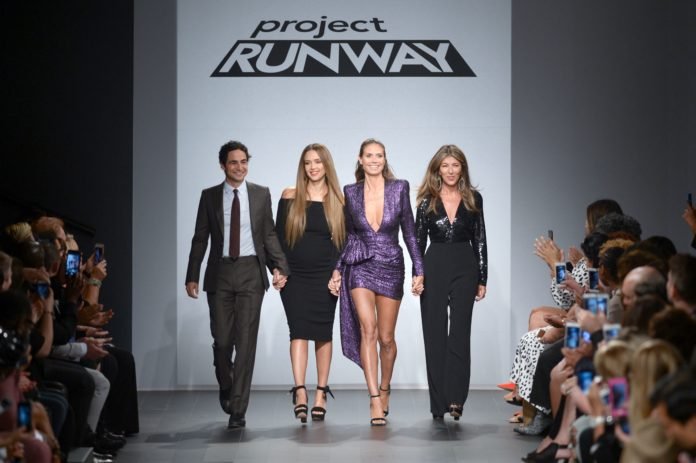
Project Runway Season 17 marked a triumphant return to its original home on Bravo, injecting fresh energy into the beloved fashion competition. This pivotal season not only introduced a new slate of design talent but also reshaped its core with a brand new host, judges, and mentor. The buzz around the 'Project Runway S17 Winner, Finalists & Post-Show Success' has lingered long after the runway lights dimmed, proving that true talent and compelling stories resonate.
This article dives deep into that memorable season, exploring the journeys of the top three finalists – Sebastian Grey, Hester Sunshine, and Garo Sparo – from their electrifying runway moments to their vibrant careers navigating the complex world of fashion.
At a Glance: Project Runway S17 Highlights
- The Winner: Sebastian Grey, celebrated for his impeccable craftsmanship and sophisticated vision.
- The Finalists: Hester Sunshine (runner-up) and Garo Sparo (third place), both leaving indelible marks with their distinct aesthetics.
- New Era: Season 17 brought major changes, including Karlie Kloss as host, Brandon Maxwell and Elaine Welteroth as new judges, and Season 4 winner Christian Siriano stepping in as the invaluable mentor.
- Beyond the Win: All three finalists successfully leveraged their Project Runway exposure to further their careers, demonstrating that visibility and a clear brand identity are crucial for long-term success in the fashion industry.
- A Tight Race: The finale was noted as one of the closest competitions in Project Runway history, highlighting the high caliber of design on display.
The Seismic Shift: Project Runway's New Beginning
Imagine the excitement. After a stint on Lifetime, Project Runway came home to Bravo for Season 17, airing from March 14 to June 13, 2019. This wasn't just a channel change; it was a rejuvenation. The show underwent its most significant cast overhaul in years, signaling a fresh perspective for a new decade of fashion.
Out went Heidi Klum and Tim Gunn, stalwarts who had shaped the show's identity for over a decade. In stepped supermodel Karlie Kloss as the new host and judge, bringing her vast industry experience and contemporary flair. Esteemed designer Brandon Maxwell joined the judging panel, offering a perspective rooted in high fashion design and construction, while journalist and editor Elaine Welteroth contributed her sharp eye for trends and cultural impact. The inimitable Nina Garcia remained, providing continuity and her signature discerning critiques. Perhaps the most celebrated addition was Season 4 winner Christian Siriano, who took over as mentor from Tim Gunn. Siriano, having built a powerhouse brand post-show, brought an unparalleled blend of empathy, practical advice, and real-world fashion savvy to the designers. His presence was a game-changer, offering direct, actionable guidance that resonated with both contestants and viewers. If you're keen to revisit the season's entirety, you can find a comprehensive overview right here: All About Project Runway 17.
These changes set the stage for a season brimming with talent and a finale described as one of the tightest competitions in the show's history. Sixteen designers battled it out, but only three made it to the ultimate runway showcase at New York Fashion Week: Garo Sparo, Hester Sunshine, and Sebastian Grey.
The Final Three: Collections That Defined a Season
The Season 17 finale was a masterclass in diverse design perspectives. Each finalist presented a collection that was intensely personal, technically ambitious, and reflective of their distinct brand identity. The judges, including special guest Diane von Furstenberg, had their work cut out for them.
Garo Sparo: The Master of the Modern Corset
At 45 years old and hailing from New York City, Garo Sparo entered the finale with a well-established signature: intricate, dramatic corsetry. His collection was a bold declaration of his aesthetic, showcasing his meticulous construction and a theatrical sensibility. Diane von Furstenberg herself noted his "waist obsession," a comment that perfectly encapsulated the foundation of his designs.
Garo's collection was a fascinating blend of historical influence and contemporary edge. He presented highly structured pieces that celebrated the female form, often with a powerful, almost warrior-like elegance. However, the judges had mixed responses. While they appreciated the artistry and the daring nature of some of his modern styles, certain tailoring choices drew scrutiny. A "wavy zipper on a corseted dress" became a specific point of contention, suggesting a disconnect between his ambitious vision and its execution in some instances. Ultimately, despite his undeniable talent and distinct point of view, Garo was excluded from the final deliberations, placing third. His journey highlighted the razor-thin margins in high-stakes fashion competitions, where even a slight misstep can alter the outcome. Yet, his commitment to his niche, often considered a challenging area within current fashion industry trends, remains truly commendable.
Hester Sunshine: The Quirky, Unforgettable Stylist
Hester Sunshine, 34, from Santa Fe, New Mexico, was undeniably the season's most vibrant personality and a designer with an utterly unique point of view. Elaine Welteroth accurately recognized her as a "skilled stylist," a keen observation given Hester's ability to create cohesive, visually compelling narratives with her clothing.
Hester's finale collection began with an absolute showstopper: a "Marie Antoinette-meets-Clueless dress" that perfectly encapsulated her whimsical, maximalist aesthetic. It was playful, bold, and instantly memorable, setting a high bar for her presentation. Her designs often leaned into vibrant colors, unconventional silhouettes, and a sense of joyful irreverence. However, some judges found her second outfit inconsistent with the strength of her opener, suggesting a slight dip in the collection's overall cohesion. Despite this, her unique appeal was undeniable. Diane von Furstenberg, a legend in her own right, famously appreciated the humor and distinctiveness in Hester's designs – even going so far as to offer her a job. Hester's journey proved that a strong, authentic brand identity, even one that deviates from traditional norms, can captivate and resonate deeply. Her approach offers compelling tips for building a strong designer portfolio that truly stands out.
Sebastian Grey: The Artisan of Refined Streetwear
Sebastian Grey, 31, originally from Cali, Colombia, captivated the judges with a collection that was not just beautiful but "impeccably made." He emerged as the quiet force of the season, consistently delivering technically brilliant and aesthetically sophisticated designs.
His finale collection was lauded as "incredibly chic" by Brandon Maxwell, a high compliment from a designer renowned for his own refined aesthetic. Nina Garcia specifically highlighted his open-weave leather detail, a testament to his innovative use of materials and his mastery of intricate techniques. Diane von Furstenberg perfectly captured the essence of Sebastian's work, describing his looks as having a "yin and yang" quality, like "extremely refined street wear." It was a collection that spoke of luxury and casual ease simultaneously, bridging the gap between high fashion and wearable art. While the judges were "not fans of the opening outfit," this minor critique was quickly overshadowed by the overwhelming praise for the rest of his collection. Sebastian's ability to combine exceptional craftsmanship with a sophisticated, modern vision ultimately secured his victory. His command of technique, combined with a clear design philosophy, made him a standout.
And The Winner Is... Sebastian Grey!
When the final decision was announced, Sebastian Grey was declared the winner of Project Runway Season 17. His victory was a recognition of his consistent excellence, his meticulous attention to detail, and his ability to translate a sophisticated vision into tangible, beautifully constructed garments. He brought a quiet confidence and an artisan's touch to every challenge, consistently impressing the judges with his precision and refined aesthetic.
Sebastian's win underscored the show's emphasis on technical skill and innovation. His collection, with its "impeccably made" garments and innovative details like the open-weave leather, demonstrated a deep understanding of construction, fabric, and silhouette. Christian Siriano's mentorship throughout the season likely played a crucial role in refining Sebastian's final vision, helping him to present a cohesive and polished collection that sealed his fate as the champion. The importance of the importance of mentorship in the fashion world cannot be overstated, and Christian's guidance was a highlight of S17.
Hester Sunshine, with her undeniable creativity and engaging personality, secured second place. Her unique brand and ability to tell a story through her clothes left a lasting impression, proving that vision is as important as technique. Garo Sparo, the master of corsetry, placed third, showcasing his specialized skill set and unwavering dedication to his craft.
The Post-Show Runway: Where Are They Now?
Winning Project Runway is a monumental achievement, but the real challenge often begins when the cameras stop rolling. For Sebastian Grey, Hester Sunshine, and Garo Sparo, Season 17 was a powerful launchpad, propelling them into new phases of their design careers.
Sebastian Grey: Building a Brand of Quiet Luxury
As the Project Runway S17 winner, Sebastian Grey received a substantial prize package, including a feature in Elle magazine, a cash prize, and a mentorship with the CFDA (Council of Fashion Designers of America). These resources provided a crucial foundation for building his eponymous brand.
Sebastian has since channeled his winnings and newfound fame into further developing his refined aesthetic. His brand focuses on elegant, well-crafted pieces that embody the "refined street wear" quality praised by Diane von Furstenberg. He continues to showcase his impeccable tailoring and innovative fabric treatments. Sebastian’s post-show success is a testament to the power of combining a clear design vision with the business acumen required to operate in the competitive fashion industry. He has focused on creating a sustainable luxury brand, often engaging directly with clients and showcasing his work through selective presentations and online platforms, cementing his place in the industry beyond the initial hype of winning.
Hester Sunshine: Embracing Her Unique Niche
Hester Sunshine's journey post-Project Runway has been as vibrant and distinct as her designs. Her second-place finish, coupled with her unforgettable personality and the highly publicized job offer from Diane von Furstenberg, gave her immense visibility.
Hester has continued to cultivate her unique, playful brand. She’s leaned into her signature aesthetic, creating pieces that blend whimsy with a strong sense of personal style. Her online presence is robust, allowing her to connect directly with her passionate fanbase. She frequently shares her creative process and new designs, leveraging social media to build a community around her brand. Hester’s post-show career exemplifies how a runner-up can harness reality TV exposure to carve out a successful, authentic niche. Her story proves that you don't always need the top prize to achieve significant post-show success; a memorable brand and dedicated following can be just as, if not more, valuable. Her distinctive approach perfectly illustrates how how reality TV can boost a fashion career for those with a strong personal brand.
Garo Sparo: Expanding a Legacy of Theatricality
Garo Sparo, while placing third, had a significant advantage coming into Project Runway: an already established couture business in New York City. The show provided an invaluable platform to introduce his dramatic, corsetry-focused designs to a much wider audience.
Since the show, Garo has continued to cater to his clientele, who seek out his unique blend of gothic romance and meticulous construction. The exposure from Project Runway certainly brought new eyes to his atelier, potentially attracting clients who might not have discovered his work otherwise. Garo’s continued success highlights that for established designers, Project Runway can serve as a powerful marketing tool, amplifying an existing brand rather than solely launching a new one. He remains dedicated to the art of bespoke fashion, celebrating intricate handwork and dramatic silhouettes, proving that there's a thriving market for specialized, high-craft design. He champions a slower, more deliberate fashion process, aligning with evolving conversations around sustainable practices in fashion.
The Project Runway Effect: A Launchpad, Not a Guarantee
The journeys of Sebastian, Hester, and Garo underscore a crucial lesson about reality television: it’s a powerful launchpad, but success isn't guaranteed. Project Runway offers unparalleled exposure, mentorship, and a crash course in working under pressure. For aspiring designers, this experience is invaluable.
- Brand Recognition: Simply being on the show, especially as a finalist, imprints a designer’s name and aesthetic into the public consciousness. This recognition can open doors to press, buyers, and collaborations.
- Networking: The show connects designers with industry professionals—judges, mentors, guest designers—who can become future allies or clients.
- Validation: Earning the approval of seasoned fashion experts provides a stamp of credibility that can be difficult to achieve otherwise.
- Business Acumen: The weekly challenges often force designers to think beyond just aesthetics, considering marketability, production timelines, and budget constraints, which are critical skills for running a successful fashion business.
However, the real work begins after the finale. Designers must pivot from the fast-paced, challenge-driven environment of the show to the enduring demands of building and maintaining a brand. This requires vision, business savvy, adaptability, and an unwavering commitment to their craft. Many talented designers have emerged from Project Runway, but those who succeed long-term are often the ones who can translate their on-screen persona into a sustainable commercial enterprise.
Leveraging Your Moment: Lessons from S17's Finalists
Looking at the post-show success of Sebastian Grey, Hester Sunshine, and Garo Sparo, several key takeaways emerge for anyone aspiring to make their mark in the fashion world, or even just understand the dynamics of a competitive creative field.
- Define Your Brand Identity Early: Hester Sunshine is a perfect example. Her quirky, maximalist style was instantly recognizable. Whether you loved it or found it challenging, you knew it was "Hester." This clarity is gold in a crowded market.
- Master Your Craft: Sebastian Grey’s win was a testament to his impeccable construction and sophisticated vision. Technical excellence is non-negotiable, especially in high fashion. Knowing how to execute your vision flawlessly sets you apart.
- Embrace Authenticity: All three finalists stayed true to themselves. Garo Sparo didn't shy away from his corsetry; Sebastian maintained his elegant aesthetic; Hester embraced her unique humor. Audiences and clients connect with genuine passion and distinct voices.
- Capitalize on Opportunities: Diane von Furstenberg offering Hester a job was a direct result of Hester’s memorable impact. Being open to unexpected collaborations or business avenues can dramatically shape your trajectory.
- Build a Digital Presence: In today's world, an online presence is crucial. Hester, in particular, has excelled at using social media to cultivate a community and market her designs directly.
Answering Your Burning Questions
You've watched the show, you've seen the winners and the runners-up, but some questions always linger. Let's tackle a few common ones.
Does the winner always have the most successful career?
Not necessarily. While winning Project Runway comes with significant prizes and an undeniable boost, long-term success is multifaceted. Often, the designers who finish second or third, or even those who didn't make it to the finale, can build incredibly successful careers. Their exposure on the show, combined with their unique talent and business acumen, can be enough to launch them. Hester Sunshine's journey is a prime example of a runner-up building a robust and authentic brand. Visibility and a memorable identity can sometimes outweigh the "winner" title in the grand scheme of a career.
How important is the "story" on Project Runway?
The "story" is incredibly important. Project Runway is reality television, and a compelling narrative—whether it's an underdog story, a personal struggle, or a unique design philosophy—helps designers connect with viewers and judges. This connection builds empathy and investment in their journey. While talent is paramount, a good story can enhance a designer's appeal and memorability, which in turn influences post-show opportunities and public perception. Garo Sparo's distinct aesthetic and passionate commitment to his craft certainly told a story of dedication to a niche.
What role does the mentor play after the show?
While the official mentorship prize typically goes to the winner (e.g., CFDA mentorship for Sebastian), the influence of the show's mentor, Christian Siriano in this season, extends beyond the competition. Christian, as a successful Project Runway alumnus, offers invaluable real-world advice and connections. While he doesn't formally mentor all designers post-show, his guidance during the competition undoubtedly shapes their approach to design and business. Many alumni maintain connections with him, often seeking his advice or participating in initiatives he supports. The show's mentor is truly an industry guide, and their impact is far-reaching.
Beyond the Finale: The Enduring Impact of Project Runway S17
Project Runway Season 17 was more than just a competition; it was a vibrant renewal of a cultural phenomenon. It showed that with new blood in front of and behind the camera, the show could evolve while retaining its core appeal. The journeys of Sebastian Grey, Hester Sunshine, and Garo Sparo are compelling testaments to the power of talent, tenacity, and the unparalleled platform that Project Runway provides.
Whether you're an aspiring designer, a fashion enthusiast, or simply someone who appreciates a good success story, the narratives emerging from Project Runway Season 17 offer powerful insights. They remind us that creativity, hard work, and a clear vision are the threads that weave together a truly remarkable career, long after the final stitches are sewn and the runway lights fade. The fashion world is a tough one to break into, but as these three designers proved, with a little help from television and a lot of personal drive, anything is possible.