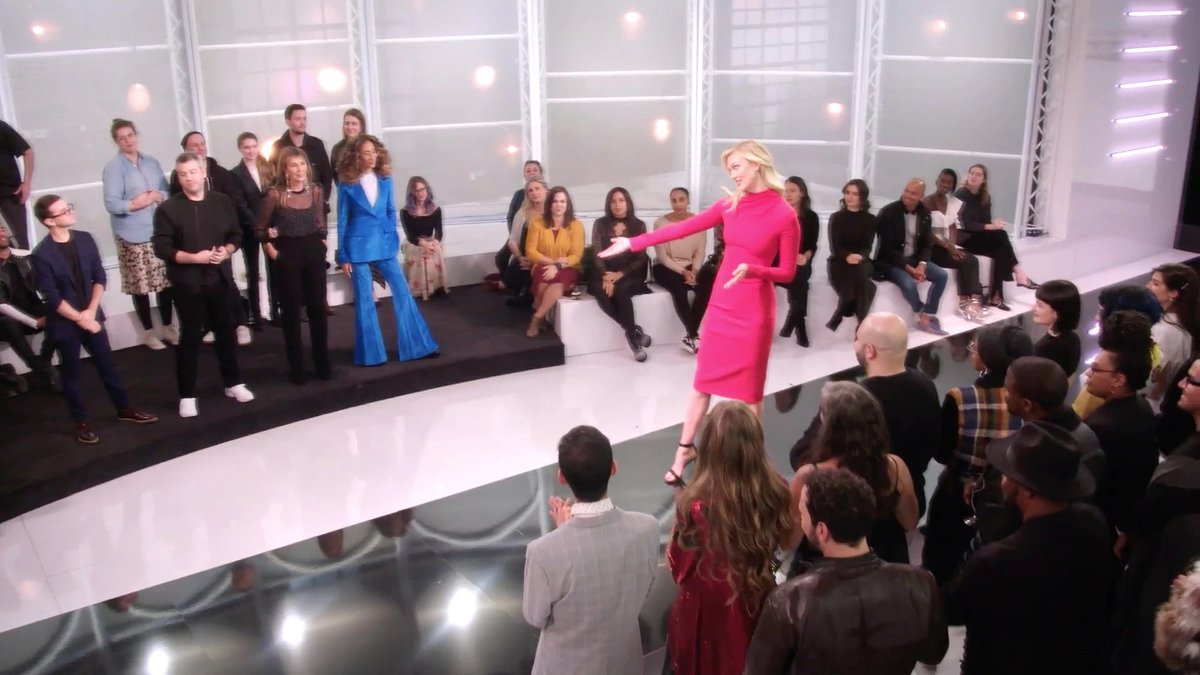
When Project Runway made its triumphant return to Bravo for Season 17, it wasn't just a network switch; it was a complete creative refresh that breathed new life into the beloved fashion competition. This season promised a renewed focus on design excellence, a stellar lineup of industry titans in the judges' seats, and a fresh crop of designers ready to stitch their way into fashion history. If you're looking for a comprehensive guide to what made Project Runway Season 17 so captivating, from its structural changes to its unforgettable cast, you've landed on the ultimate resource.
Project Runway Season 17: At a Glance
- The Big Return: Project Runway moved back to its original home, Bravo, after a stint on Lifetime.
- New Faces, Familiar Spirit: Supermodel Karlie Kloss stepped in as host, with Christian Siriano taking over Tim Gunn's iconic mentor role.
- Judging Panel Powerhouse: Fashion legend Nina Garcia was joined by newcomers Brandon Maxwell and Elaine Welteroth.
- Diverse Design Challenges: Expect fresh takes on classic tasks, from unconventional materials (like fake fur!) to dressing reality TV stars.
- A Memorable Cast: A vibrant group of 16 designers brought diverse aesthetics and compelling stories to the workroom.
- The Victor: Sebastian Grey ultimately claimed the coveted title, showcasing consistent craftsmanship and a unique vision.
A Fresh Stitch in Time: Why Season 17 Felt Brand New
After years away, Project Runway's homecoming to Bravo marked a significant turning point, and not just for nostalgic fans. The show underwent a substantial creative overhaul, bringing in new talent both in front of and behind the camera, signaling a commitment to elevate the competition and reflect the rapidly evolving fashion industry. This wasn't just a new season; it was a re-imagining that aimed to merge its storied past with a forward-thinking vision.
The most talked-about change was the new host, supermodel Karlie Kloss, whose poise and industry experience brought a fresh dynamic to the runway presentations. But perhaps the most impactful shift for the designers was the arrival of Season 4 winner Christian Siriano as the new mentor. Siriano, a highly successful designer himself, offered a truly invaluable perspective—one that came from walking in their shoes, combined with the hard-earned wisdom of building a thriving fashion empire. He wasn't just offering advice; he was providing real-world coaching, often getting his hands dirty in the workroom right alongside the designers. This insider's perspective, as noted by Rotten Tomatoes, helped shape a season that felt more authentic and grounded in the realities of the fashion world.
The Esteemed Panel: Judges and Mentors Guiding the Vision
A fashion competition is only as strong as its judges, and Project Runway Season 17 assembled an impressive panel that brought both gravitas and contemporary relevance. Leading the charge, as always, was the inimitable Nina Garcia, Editor-in-Chief of Elle magazine. Her sharp eye, unwavering standards, and succinct critiques remained the show's anchor, ensuring that designers were held to the highest echelon of taste and innovation.
Joining Garcia were two exciting new voices:
- Brandon Maxwell: A critically acclaimed American fashion designer known for his elegant, sophisticated womenswear. Maxwell's critiques were often technical and precise, offering designers invaluable insight into garment construction and wearability. His rise in the industry brought a contemporary, designer-to-designer perspective to the panel.
- Elaine Welteroth: An award-winning journalist, editor, and author, and former Editor-in-Chief of Teen Vogue. Welteroth brought a keen understanding of cultural trends, marketability, and the broader impact of fashion. Her perspective often pushed designers to think beyond the garment itself, considering its narrative and resonance in today's world.
And, of course, the pivotal role of Christian Siriano as mentor cannot be overstated. From the initial sketching to the final stitches, Siriano was in the workroom, offering practical solutions, creative nudges, and much-needed encouragement. His empathetic yet firm guidance became a highlight of the season, showcasing the power of mentorship and elevating the standard of the competition. His presence, as someone who navigated the challenges himself, created a palpable sense of trust and made his advice genuinely transformative for the contestants.
Threading Through the Gauntlet: Signature Challenges of Project Runway Season 17
Project Runway has always been known for its imaginative and often high-pressure challenges, and Season 17 delivered with a mix of fan favorites and fresh twists. The core of the competition, as Rotten Tomatoes highlighted, involves designers coping with "thematic, material, and time constraint challenges." This season truly put those skills to the test, pushing designers to innovate under immense pressure.
Some of the standout challenges included:
- The "Fresh Takes" Challenges: Designers were tasked with reinventing classic concepts and materials. This included an exciting fake fur challenge, pushing them to create luxurious and fashion-forward looks using ethical alternatives. Another brought back the classic cocktail dress, but with a modern, high-fashion twist, testing their ability to blend timeless elegance with contemporary sensibilities.
- The Color-Themed Team Challenge: This staple Project Runway challenge returned, forcing designers to collaborate and create cohesive collections based on specific color palettes. These challenges always test teamwork, vision alignment, and the ability to compromise without sacrificing individual aesthetic.
- Dressing Reality TV Stars: In a fun and high-stakes twist, designers were challenged to create red carpet-worthy looks for stars of another reality show. This required them to balance their creative vision with a client's specific taste and public image, a crucial skill in the real fashion world.
- Unconventional Materials: While not explicitly detailed in the provided ground truth, Project Runway is famous for its unconventional challenges, often sending designers to grocery stores or hardware stores. Season 17 certainly included moments where creativity had to triumph over typical fabric choices, forcing designers to think outside the box and transform unexpected items into runway-ready fashion.
- High-Stakes Client Challenges: Beyond reality stars, designers also tackled challenges for real-world clients, requiring them to design for diverse body types and specific functional needs, mirroring the demands of a professional designer's career.
Each challenge was designed not just to eliminate contestants, but to reveal their strengths, weaknesses, and their true potential as designers, culminating in the ultimate test: creating a full collection for New York Fashion Week. For those interested in a deeper dive into the mechanics and creativity behind each task, a full breakdown can be found in a dedicated Project Runway Season 17 Guide.
The Fabric of Competition: Meet the Designers of Project Runway Season 17
Season 17 introduced us to a dynamic and diverse group of 16 designers, each bringing their unique vision, background, and personality to the workroom. From established names to emerging talents, this cast truly represented the broad spectrum of the fashion world. Getting to know them was half the fun, watching them grow, stumble, and ultimately shine under pressure.
Here’s a closer look at the designers who made up the Project Runway Season 17 cast:
The Finalists
These designers made it all the way to New York Fashion Week, showcasing their full collections.
- Sebastian Grey (Winner)
- Style: Known for his impeccably clean lines, expert tailoring, and sophisticated minimalism with unexpected details. Sebastian often incorporated unique textures and architectural elements into his designs, reflecting his Colombian heritage and classical training. His consistency and precision were unmatched.
- Journey: Sebastian was a strong contender from day one, often lauded for his technical skill and elegant aesthetic. He quietly yet confidently delivered high-quality garments week after week, making him a deserving winner who embodied craftsmanship and refined taste.
- Hester Sunshine (Runner-Up)
- Style: Unapologetically bold, playful, and avant-garde, Hester's designs were a burst of vibrant color, unconventional silhouettes, and maximalist energy. She wasn't afraid to take risks, often blending streetwear with high fashion, and her personality shone through every stitch.
- Journey: Hester was a polarizing figure, loved for her unique perspective and daring choices, but sometimes challenged by the judges for commercial viability. Her journey was marked by consistent individuality and a distinctive point of view that was impossible to ignore.
- Garo Sparo (Finalist)
- Style: Garo brought a theatrical, couture aesthetic to the runway, specializing in intricate corsetry, dramatic silhouettes, and exquisite draping. His designs were often inspired by historical fashion and fantasy, creating powerful, show-stopping looks.
- Journey: With a background in costume design and custom bridal, Garo's technical prowess was evident. He consistently delivered polished, high-impact garments, showcasing a master's touch with construction and embellishment.
- Bishme Cromartie (Finalist)
- Style: Bishme's designs were characterized by a strong sense of femininity, often with dramatic flair, sharp tailoring, and a keen understanding of the female form. He frequently incorporated bold colors, structural elements, and elegant draping that felt both powerful and sensual.
- Journey: Bishme was a fan favorite, known for his infectious personality and incredible talent. He demonstrated remarkable growth throughout the season, overcoming personal challenges to consistently deliver stunning, emotionally resonant collections.
Other Notable Designers
The competition was fierce, and many other designers made significant impacts before the finale.
- Tessa Clark:
- Style: Tessa’s aesthetic leaned towards modern, wearable fashion with an edgy twist. She often worked with interesting fabric manipulations and structural elements, creating pieces that felt both contemporary and timeless.
- Journey: A strong competitor in the early and mid-stages, Tessa often impressed with her sophisticated designs and attention to detail.
- Renee Hill:
- Style: Renee brought a vibrant and often culturally inspired aesthetic, focusing on print, color, and comfort with a chic sensibility. Her designs often had a resort wear feel, perfect for a glamorous, globe-trotting woman.
- Journey: Renee was known for her positive attitude and ability to incorporate her unique heritage into her designs, making her pieces stand out.
- Venny Etienne:
- Style: Venny specialized in menswear and tailored womenswear, bringing a precise, sharp, and often street-style influenced aesthetic. He had a strong understanding of silhouette and created polished, urban-chic garments.
- Journey: Venny showed consistency in his tailoring skills and an ability to create commercially viable yet stylish pieces.
- Kovid Kapoor:
- Style: Kovid’s designs were often artistic and conceptual, pushing boundaries with unique fabric choices, draping, and intricate embellishments. He brought an international flair and a fearless approach to design.
- Journey: Kovid was a memorable character who often created truly unique pieces, sometimes to the delight of the judges and sometimes baffling them.
- Liris Crosse:
- Style: While Liris was primarily known as the season's "model mentor" (not a designer contestant), she became a significant presence due to her role in various challenges, particularly the "design for a real woman" segments. Her insights as a curve model were invaluable.
- Journey: Liris consistently championed inclusivity and body positivity on the runway, influencing how designers thought about fit and appeal for diverse body types.
The full cast also included: Frankie Lewis, Nadine Ralliford, Cavanagh Baker, Cornelius Ortiz, Sonia Kasparian, Rakan Shams Aldeen, Afa Ah Loo, and Tyler Neasloney. Each designer contributed to the rich tapestry of competition, bringing moments of brilliance, tension, and growth that made Project Runway Season 17 such a compelling watch. From their initial introductions to their final farewells, every contestant added a layer of depth and excitement to the season, showcasing the diverse talents that fuel the fashion world.
Unpicking the Highlights: Memorable Moments and Controversies
Every season of Project Runway has its share of unforgettable moments, and Season 17 was no exception. Beyond the stunning fashion, the show thrives on the human element—the triumphs, the frustrations, and the occasional drama in the workroom.
One of the season's most talked-about moments involved Tyler Neasloney's unconventional client challenge for a celebrity from The Real Housewives of New York City. When his client expressed her dislike for the fabric choice, Tyler famously, and somewhat controversially, retorted that she was the problem, not the dress, stating, "It's an $800,000 house, not a $2 million house." This moment quickly went viral, encapsulating the high-pressure environment and the sometimes-blunt honesty of designers.
Another highlight was the consistent ingenuity shown in the unconventional material challenges. Designers pushed the boundaries of what could be considered "fabric," transforming items into surprisingly chic and structurally interesting garments. These moments often demonstrated pure creative problem-solving under extreme constraints.
The dynamic between the designers and the new mentor, Christian Siriano, also provided many memorable instances. His ability to connect with contestants on a personal level, offering both tough love and genuine encouragement, was a breath of fresh air. From helping a designer literally re-cut a garment minutes before the runway to offering sage advice on navigating the industry, Siriano became an indispensable part of their journey. His mentoring often felt like a masterclass in real-world fashion, grounding the competition in practical advice rather than just abstract criticism.
Beyond the Seam: The Legacy of Season 17
Project Runway Season 17 wasn't just another installment; it was a significant reboot that successfully refreshed a beloved franchise. By embracing new talent, modern perspectives, and a commitment to real-world fashion challenges, the season demonstrated that there was still plenty of creative ground to cover. The return to Bravo felt right, recapturing some of the show's original magic while forging a new path.
The season launched or further propelled the careers of its designers, most notably winner Sebastian Grey, who continues to build his sophisticated brand. Finalists like Hester Sunshine and Bishme Cromartie also saw increased visibility, with Hester's unique aesthetic gaining a dedicated following and Bishme continuing to design for celebrities and grow his label. The show reinforced its role as a vital launching pad for emerging designers, as Christian Siriano's own story from contestant to mentor aptly proves.
More broadly, Season 17 reaffirmed Project Runway's relevance in the modern fashion landscape. It showcased diverse body types, challenged conventional beauty standards, and emphasized the importance of sustainable practices and ethical design, reflecting the industry's ongoing evolution. It proved that a competition focused on creativity, skill, and genuine mentorship could still captivate audiences and inspire a new generation of fashion enthusiasts.
Your Backstage Pass: Diving Deeper into Project Runway
Whether you're a long-time fan or new to the world of fashion competition, Project Runway Season 17 offers a compelling look at the creativity, pressure, and talent required to make it in the industry. From the dynamic judging panel to the unforgettable designers and their visionary creations, it’s a season that continues to inspire. If this overview has sparked your interest, we encourage you to explore the full season. You'll find a wealth of design lessons, dramatic moments, and truly beautiful fashion that underscore why Project Runway remains a cultural touchstone.